Share


07.09.23
The Ultimate Guide to Buying Ethical Engagement Rings
We only have one planet (so far) and one life (that we know of). So, you know, it’s kind of important that we take care of it, and each other, however we can. Sure, sure, you’re wondering, what does this have to do with buying ethical engagement rings?
Well, quite a bit, in fact. Because just like the air we breathe, the water we drink, and the food we scarf down while binge watching the latest buzzworthy series, diamonds are one of Earth’s precious natural resources. And it takes quite a bit of energy and resources to dig ‘em up, polish them pretty, and mount them into fancy gold rings that you can show off across your socials. And it’s not just us saying this. The industry, and the public, are leaning heavily into the importance of sustainable, responsible diamond buying. So let’s chat a bit about the importance of buying ethical engagement rings. And don’t worry, we’ll help you actually do it too.
What Does ‘Ethical Engagement Ring’ Actually Mean?
Ethics is a pretty big term, which carries a lot of weight, and a lot of mystery. So what does it really mean when it comes to shopping for diamonds and engagement rings?
Essentially, by ethical it means that the diamonds and metals used in your jewelry come from conflict-free economies. These are situations where the folks doing the work are being paid fairly and treated well, and the processes used have minimal impact on the environment at large. We know. It’s a lot. So let’s break it down.
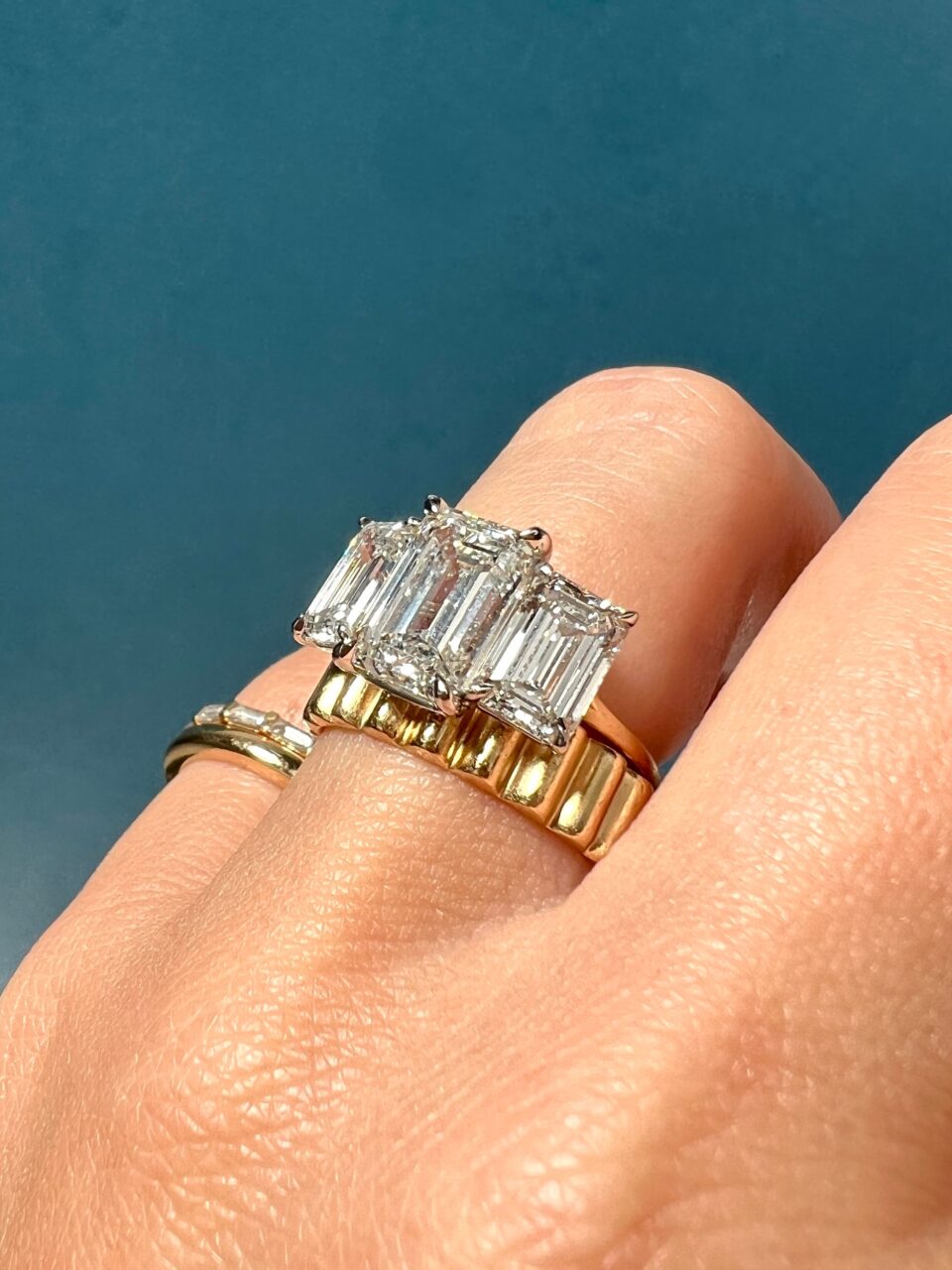
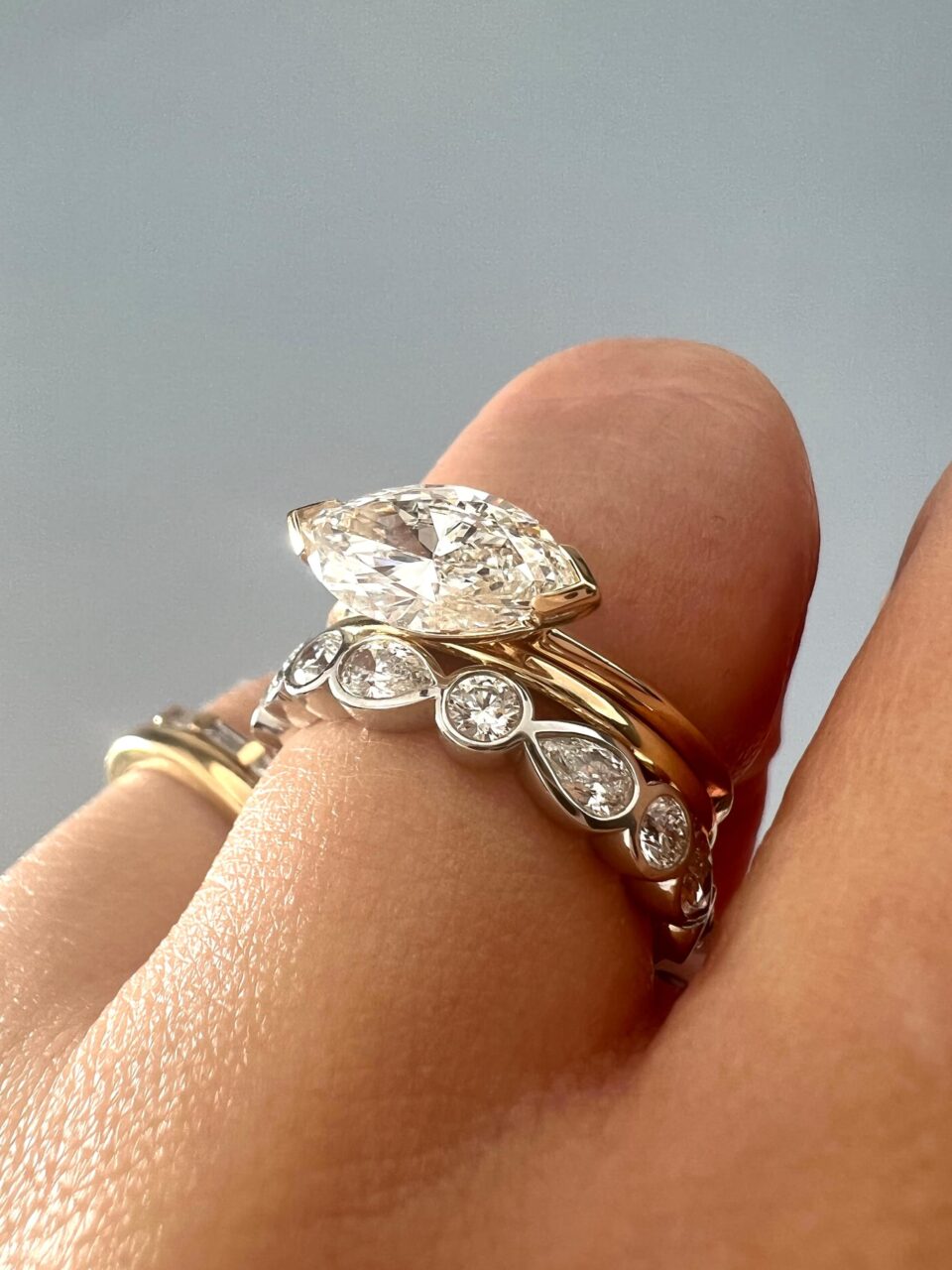
No JKs here! All about the KP
Today, ethical sourcing starts with the Kimberley Process (or, KP). The KP is an initiative to eliminate the trade of conflict diamonds which are also known as blood diamonds. However you call them, these rough diamonds help finance wars against legitimate governments around the world. Thanks to being historically largely untraceable and known to slip into the wrong hands. But there are now 59 participants, representing 85 countries participating in the KP to remove conflict diamonds from the global supply chain. Participants must:
- Satisfy ‘minimum requirements’ and establish national legislation, institutions and import/export controls
- Commit to transparent practices and to the exchange of critical statistical data
- Trade only with fellow members who also satisfy the fundamentals of the agreement, and
- Certify shipments as conflict-free and provide the supporting certification
Conflict free + sustainability = ethical engagement rings
Beyond conflict free, there’s the question of sustainability. What impact does the mining and processing of diamonds and fine metals have on the planet? And do sustainable diamonds even exist? And then there’s the social responsibility aspect. What are brands doing to support the communities bringing these stunning jewels to life? And what are they doing to provide customers with transparency and authenticity in a traditionally opaque industry? All things to consider when you want to ensure you’re making the most ethical engagement ring purchase possible
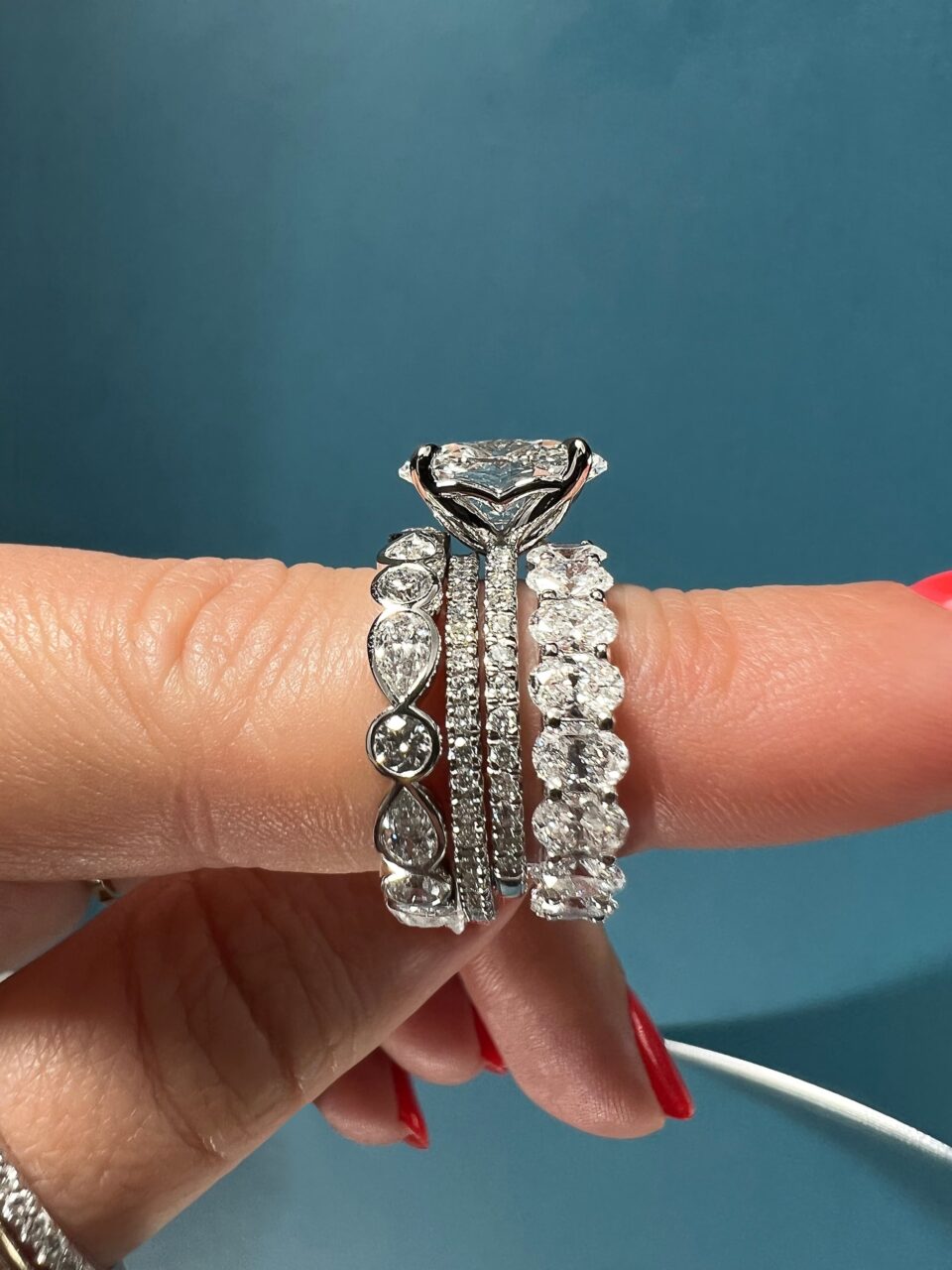
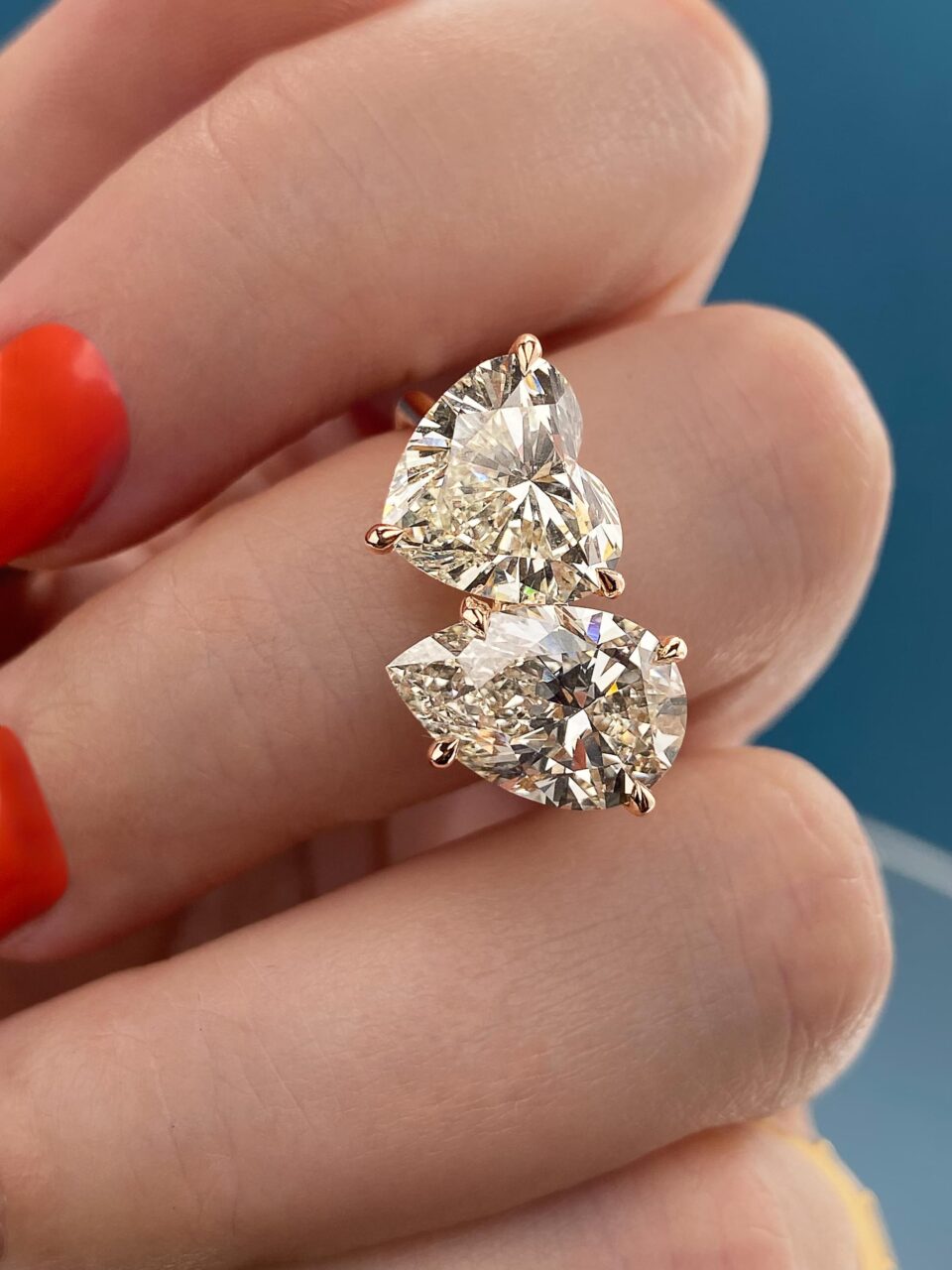
Why Choose Ethical Engagement Rings?
If you’re the type to go for organic ingredients in your skin care, protest human rights violations, grow your own veggies, volunteer at community events, and recycle anything and everything you can, then choosing an ethical engagement ring simply makes sense. After all, why wouldn’t you want the thing you wear every day to reflect your values?
With millennials leading the trend, consumers are clearly asking for more sustainable and ethical options when it comes to this super traditional industry. Lab grown diamond sales are surging, folks are shopping for antique diamonds instead of new, and brands are using recycled metals too. Not only is it great for preserving our natural resources, but supporting our communities, and giving you a much clearer conscience to boot.
Factors to Consider When Choosing an Ethical Engagement Ring
So, how to go about choosing a more ethical engagement ring? There are a few things to consider, beyond whether or not your diamond is conflict-free.
Ethical engagement rings meet lab diamonds
Lab grown diamonds are one of the most environmentally friendly diamonds and ethical options on the market, for instance. Plus, today you can find lab diamonds for 40-50% less than their natural counterparts. They have the exact same chemical, physical, and optical properties of diamonds grown deep within the Earth, only they’re made with fancy tech in a science-y lab instead of by, well, nature.
Here’s the rundown: Lab grown diamonds grow thanks to electricity. Electricity is bad for the environment. Lab created diamonds use 250 million joules per carat. Seem like a lot? Mined diamonds use 538.5 million. But some lab diamonds, like Diamond Foundry’s, are grown with 100% renewable energy. If that’s important to you, just ask! Beyond electricity, man made diamonds consume significantly less water per carat than their mined counterparts—18 gallons vs. 126 gallons—and have startlingly lower carbon emissions. Bottom line, if you believe in global warming, there’s no better way to flaunt your support than with a big, shiny, lab created rock.

Think outside the box
If you just don’t want a diamond, though, there are many other gemstones you can explore for your engagement ring. Moissanite, for instance, is a colorless, lab created gem with tons of brilliance, an affordable price tag, and it’s nearly as hard as diamond so it’s still durable enough for daily wear. There’s also sapphires or rubies, which are great options if you’re into rocking some color. But the same rules apply here as mined gemstones come from the Earth. So look for recycled or antique gems, lab created stones, and ethical brands that ensure your stones aren’t coming from any questionable sources.
Heavy metals
Another thing that’s mined is the metal that makes up your ring. Whether you’re into gold or platinum, recycled metals are quite common these days. In fact, Frank Darling uses 100% recycled gold and platinum in all of our jewelry, which means we don’t take any new resources from the Earth, but instead reclaim recycled gold from post-consumer sources. It’s exactly the same as newly mined gold without the environmental damage. Our sources include recycled jewelry, industrial products, and electronics.
Are Ethical Engagement Rings More Expensive?
No matter what kind of engagement ring you are planning to buy, setting your budget should always come first. Knowing how much you’re comfortable spending, and how much you want to pay for it before you get your heart set on a ring can save you a lot of, well, heartache. Especially if your dream ring is beyond your budget.
While it often seems like paying for ethical, sustainable goods can be more expensive than fast fashion (it’s true), buying ethical engagement rings doesn’t have to be that way. Like we said, you can afford 70% more diamond when you purchase lab grown over natural. And Moissanite is more affordable.
Ultimately, it comes down to sourcing, manufacturing, and marketing of that diamond and brand that will determine how the diamond is priced. Look to brands with transparent pricing, up front education about their diamond sourcing, and clear communication in case you have any questions. Our Ring Concierge is at your service to help you source sustainable options that fit your unique style and budget. Simply email hello@frankdarling.com with a bit about what you’re looking for and we’ll help you out in no time.
How to Ensure Ethical Credentials
In addition to only using a jeweler who adheres to the Kimberley Process, the Responsible Jewellery Council is the world’s leading sustainability standard setting organization for the jewelry and watch industry. Their Code of Practices (COP) focuses on business ethics and responsible supply chains, covering the minerals and metals used to make jewelry, including gold, silver, platinum, diamonds, and colored gemstones. Its members, including gem traders, mining companies, and jewelry manufacturers, adhere to these practices to offer the public reassurance and support for a better, fairer jewelry industry experience.
The Frank Darling Guarantee
FD relies on the Kimberley Process for guaranteeing that our diamonds are certified conflict-free, and we use 100% recycled metals in all of our jewelry. Every small diamond included in our settings and wedding bands is recycled, because let’s be honest, diamonds are meant to be forever. Recycled diamonds are the most sustainable kind available, and we think that makes them sparkle a little brighter. We are also adopting new technology for mine-to-finger traceability; partnering with technology leaders to chart the future course of ethical diamond sourcing. This allows us to trace a diamond from its first transaction all the way to final sale, and source exclusively from countries with fair labor practices and superior environmental policies.
Making the Right Choice
Ultimately, when you are shopping for an ethical engagement ring, asking questions is the most important aspect of your search. Make sure that you thoroughly research your jeweler, ensuring they are transparent about their sourcing and manufacturing. And look to be sure they adhere to industry-wide standards for conflict-free diamonds and sustainability. After all, you’re going to wear this ring for a while, so you want to make sure that it carries an untarnished meaning and is the most ethical choice possible. Your love is worth it!
Explore More
Whether you want to jump into shopping our collection of more than 150,000 conflict-free natural and lab created diamonds, or keep learning more on the blog, your engagement ring journey is your own. So make it a good one. Check out our diamond search where you can view 360-degree diamond images and don’t forget to zoom out (because size can be deceiving), or book an appointment at our New York salon to view certified lab-grown and natural diamonds in person.
Not finding what you’re looking for or have more questions? Email us at hello@frankdarling.com. Our team can curate a list of 5-7 exclusive stones that are just right for you, including finding recycled, antique, and lab grown gems to fit the bill.



Currently blending luxury with lexicon to pen, edit, and manage the Frank Darling journal, Molly has written for VRAI, Clean Origin, and Olivia Ewing Jewelry. A lover of all things sparkly (including disco balls), she prefers portrait, step, and vintage cut diamonds with warm champagne hues.