Share


10.02.23
6 Reasons Not to Buy a Moissanite Engagement Ring
You’ve heard the whispers at happy hour that the day of the traditional diamond engagement ring is dwindling. There’s some really great and some really not so great diamond alternatives on the market, ahem cubic zirconia. Maybe you’ve heard about the gem born of the stars, Moissanite, and how it’s a cost effective, earth friendly substitute for mined diamonds. Sure, Jan. Here are some reasons to not fall for a Moissanite engagement ring. But first, a refresher:
What is Moissanite, Really?
Before we get into the reasons you might want to skip it, let’s make sure we’re all on the same page about what Moissanite actually is — because there’s a surprising amount of confusion out there.
Moissanite is a gemstone made of silicon carbide. It was first discovered in 1893 by a French chemist named Henri Moissan (hence the name) inside a meteor crater in Arizona, which is a genuinely cool origin story. Natural Moissanite is extremely rare — we’re talking trace mineral quantities found in meteorites and certain types of rock — so virtually every Moissanite stone on the market today is lab grown.
On paper, Moissanite checks a lot of boxes. It ranks 9.25 on the Mohs scale of hardness, making it the second hardest gemstone used in jewelry, right behind diamond at 10. It has a higher refractive index than diamond (2.65 vs. 2.42), which means it actually bends more light and throws off more sparkle — something we’ll get into in a second, because that’s not necessarily a good thing. And it typically costs a fraction of what you’d pay for a comparable sized diamond, natural or lab grown. That all sounds fine and dandy. But here’s why you shouldn’t fall for the hype.
1. Moissanite is Not a Diamond (& Not a Lab Diamond Either)
Lol, okay pretty obvious — but you’d be surprised how often these get lumped together. Whether or not we like it, there is some stigma behind not choosing a diamond, and a lot of that stems from people not really understanding what Moissanite is in the first place.
So let’s get down to it. Moissanite is a diamond simulant, meaning it’s designed to look like a diamond but is a completely different material. It’s composed of silicon carbide and is always lab grown. Diamonds — whether natural or lab grown — are composed of carbon. Structurally, optically, chemically, they’re different stones. A lab grown diamond is still a real diamond with the same carbon crystal structure as one pulled from the earth. Moissanite is its own thing entirely.
That’s not a dig. It’s just a distinction worth understanding before you put a ring on it.
Here’s how they actually compare side by side:
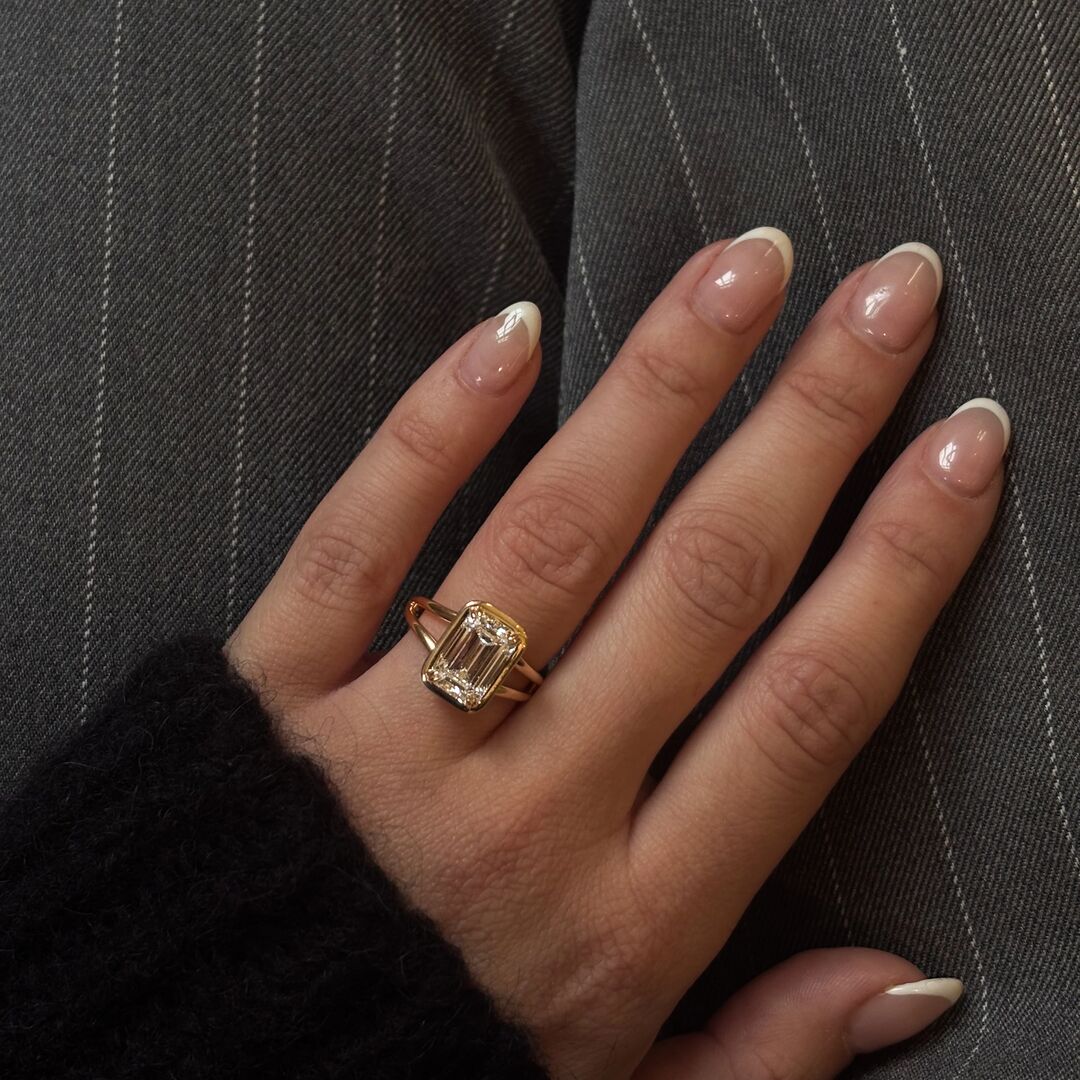
| Moissanite | Natural Diamond | Lab Diamond | |
| Composition | Silicon Carbide | Carbon | Carbon |
| Hardness (Mohs) | 9.25 | 10 | 10 |
| Refractive Index | 2.65 | 2.42 | 2.42 |
| Fire (Dispersion) | 0.104 | 0.044 | 0.044 |
| Avg. Cost (1 Carat) | $672 | $3,688 | $802 |
| Origin | Lab | Earth | Lab |
Moissanite Vs Natural Diamond Vs Lab Diamond: A Video Comparison
2. The Fire Factor
This is the one that catches people off guard. Moissanite is gorgeous — nobody’s arguing that — but it’s gorgeous in a different way than a diamond, and that difference is more noticeable than you’d expect.
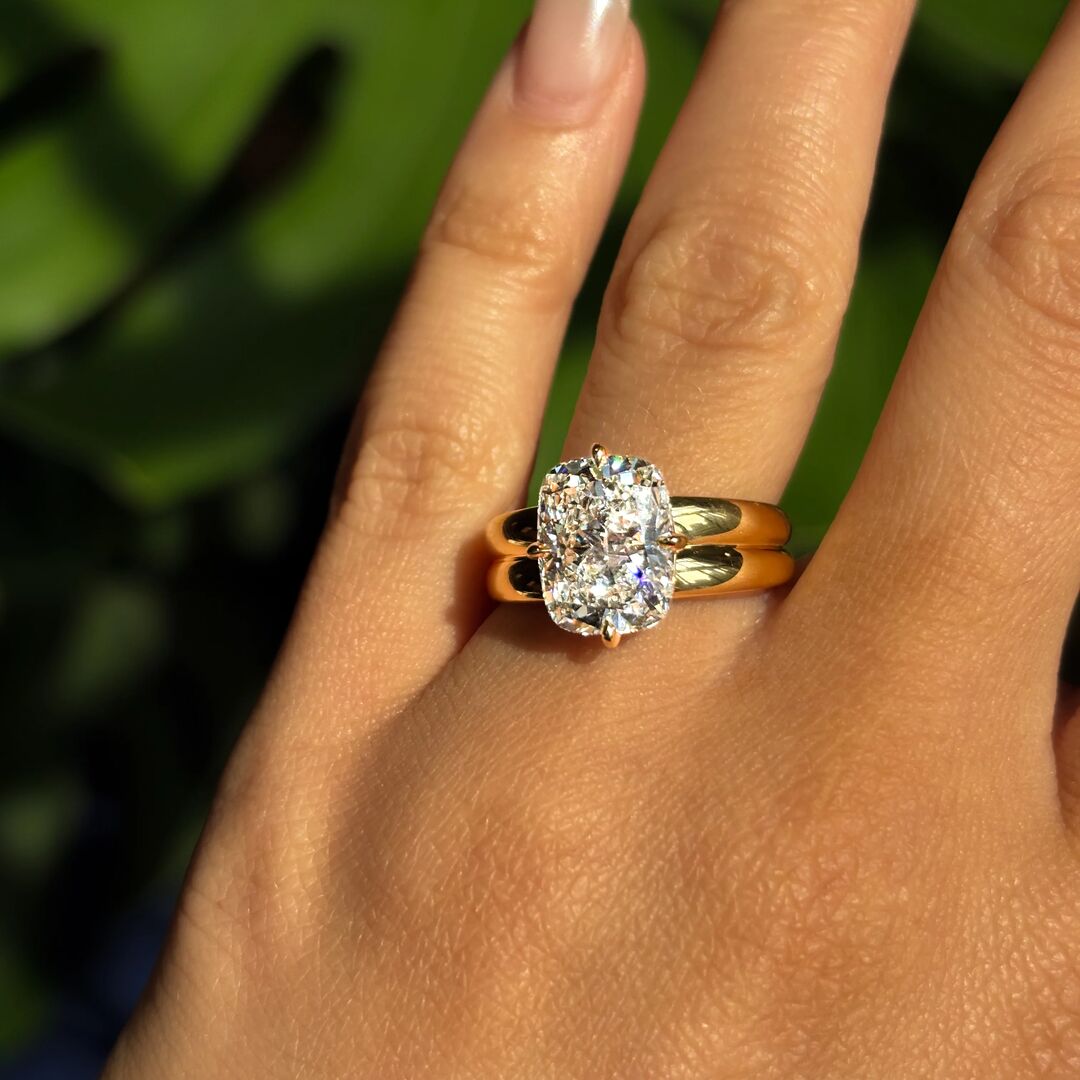
It comes down to how each stone handles light. Moissanite has a refractive index of 2.65, compared to diamond’s 2.42. It’s also doubly refractive, meaning light enters the stone and splits into two paths before bouncing back to your eye. The result is more fire — those flashes of rainbow color you see when a stone catches the light. In fact, Moissanite has more than double the fire dispersion of a diamond (0.104 vs. 0.044), which officially makes it the most brilliant gemstone in the world. Pretty cool title to have.
But here’s the catch. All that extra fire creates what jewelers sometimes call the “disco ball” effect. In direct sunlight or bright overhead lighting, a Moissanite is going to throw off intense rainbow flashes that a diamond simply wouldn’t. To most people who know what they’re looking at, that’s the telltale sign. It’s not subtle, and it gets more pronounced as the stone gets larger — which is ironic, because one of the biggest appeals of Moissanite is that you can afford to go bigger.
3. Moissanite Is Just Too Perfect
Then there’s the perfection problem. When you look at a diamond under a loupe at 10x magnification, you’ll see tiny natural inclusions, slight asymmetries in the faceting, little character marks that come from being formed over millions of years (or even in a lab — lab grown diamonds have their own inclusion signatures). Moissanite has inclusions too, but they’re barely visible even under magnification. To the naked eye, the stone looks almost mathematically flawless. The facets are precisely uniform. It’s like the difference between a handwritten note and a printed one — both communicate the same thing, but one has a warmth the other doesn’t.
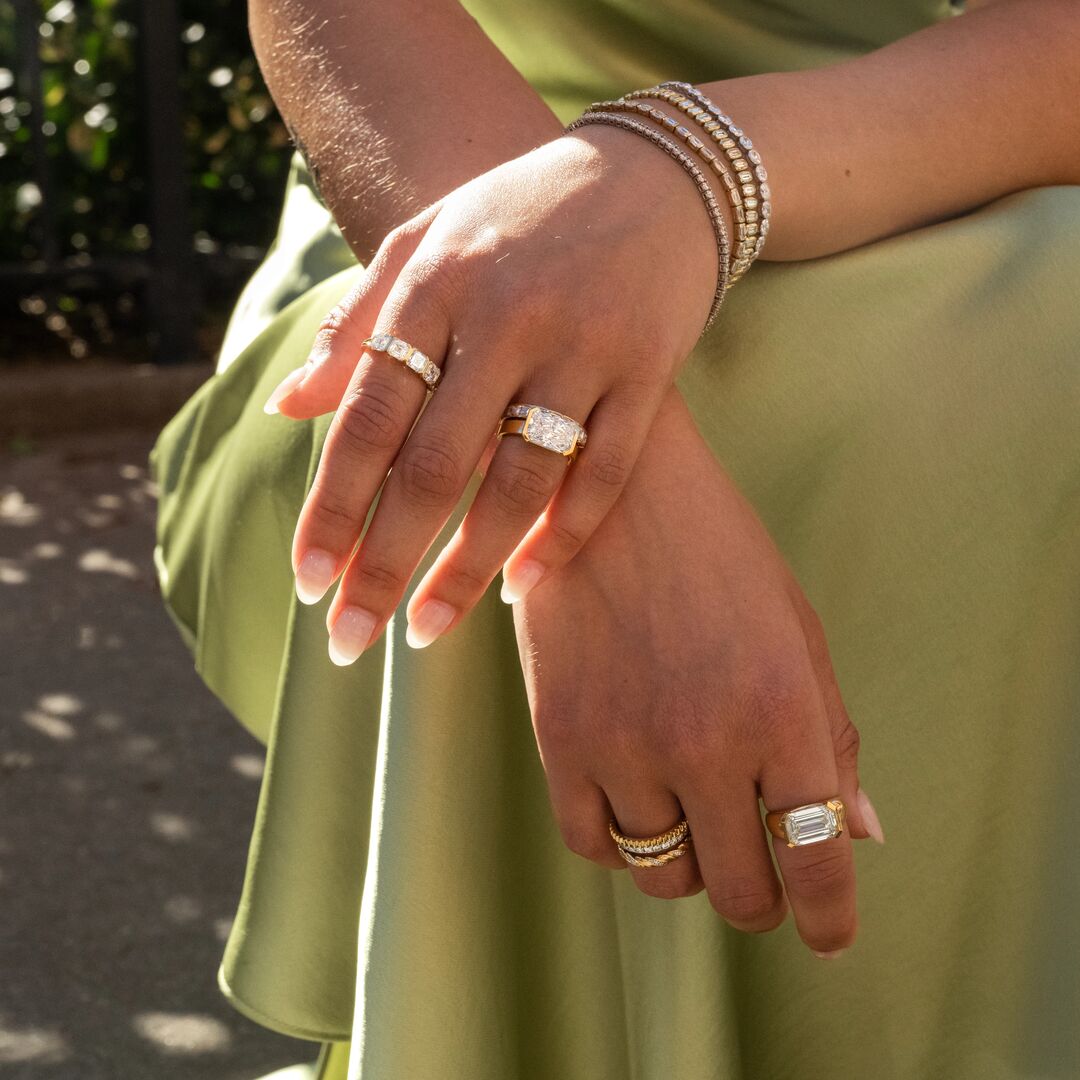
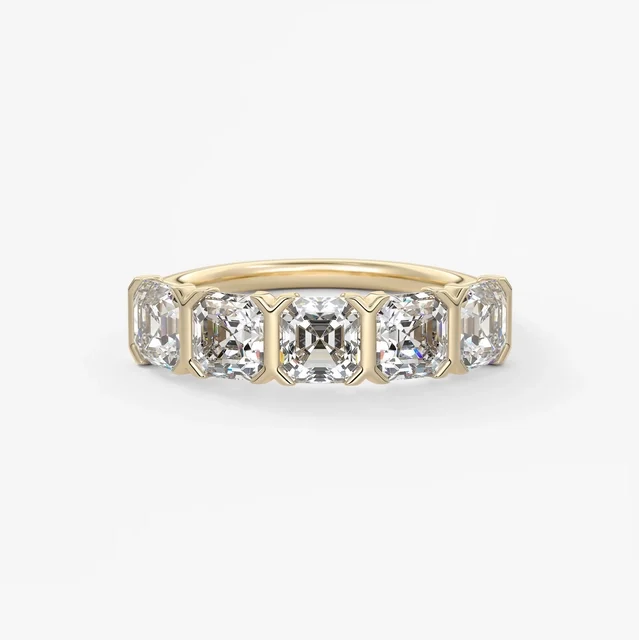
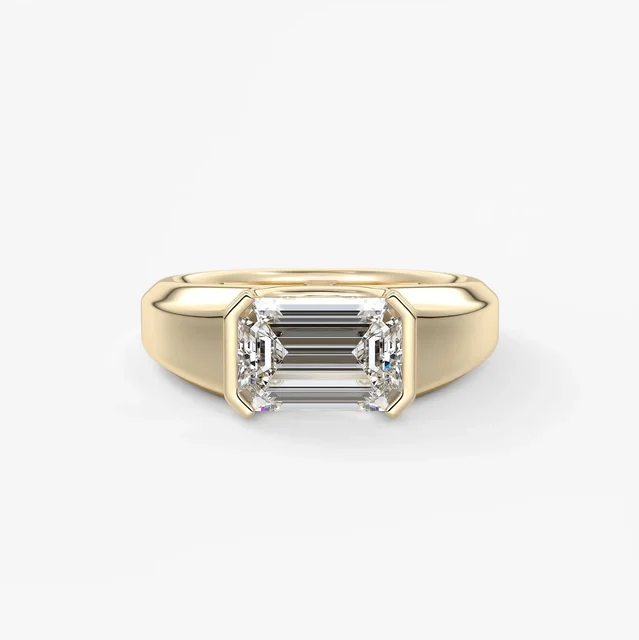
Now, if you love that level of intensity and you’re choosing Moissanite because of the extra fire, lean all the way in. But if you want something a little more understated, here’s a tip worth knowing: step cut shapes like emerald and Asscher cuts produce a hall-of-mirrors glimmer rather than the explosive sparkle of a brilliant cut. The rainbow effect is far less noticeable in those shapes, which is why they’re often the go-to recommendation for Moissanite engagement rings that need to fly under the radar.
One more thing to keep in mind: because Moissanite is more uniformly cut than diamond, you’ll typically shop by millimeter measurement rather than carat weight. A 6.5mm round Moissanite is roughly equivalent in size to a 1 carat diamond, but it’ll actually weigh a bit less since Moissanite is about 10–15% lighter. Not a big deal in practice, but it’s one of those details that matters when you’re comparing options.
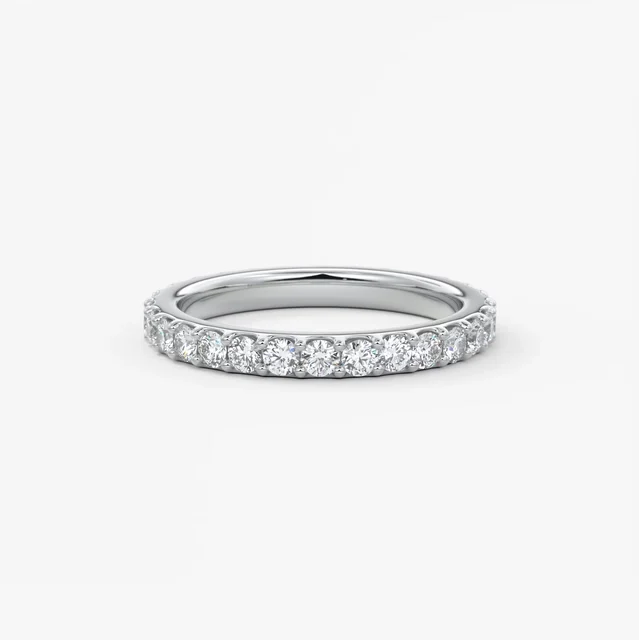
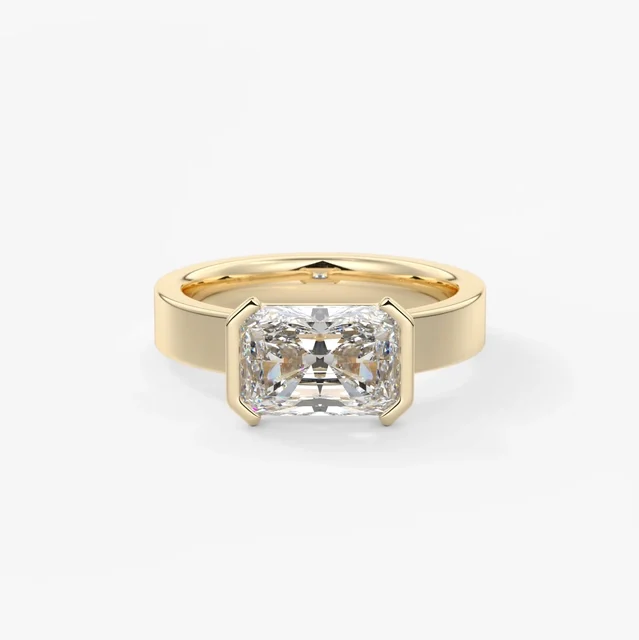
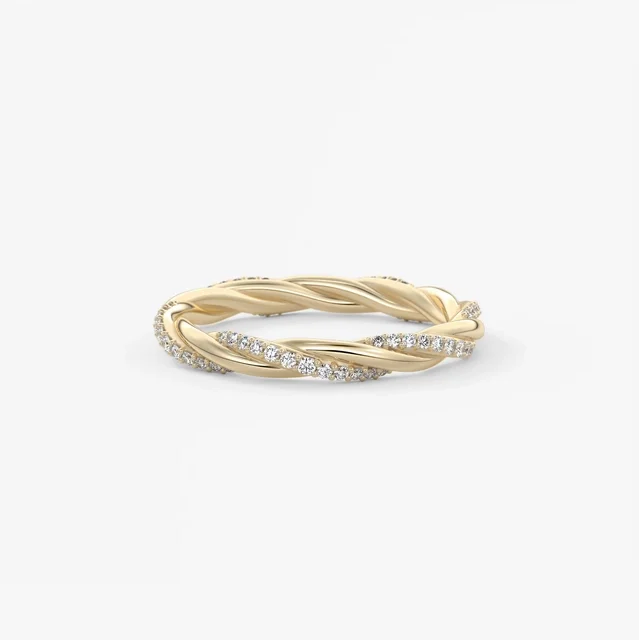
Shop the Look
4. The Color of Moissanite is Not Quite Right
Most high quality Moissanite on the market today is graded as “colorless,” roughly equivalent to a DEF color diamond. And in a jewelry case under cool LED lighting, it really does look white. But Moissanite has an underlying warmth to it that diamonds in that same color range don’t. Depending on the stone and the lighting, you might pick up a faint yellow or greenish hue — not enough to call it a yellow stone, but enough that someone familiar with diamonds would notice. In warmer environments like candlelight or golden hour sunlight, that undertone tends to come forward more.
Here’s where the math works against you a little. One of the biggest draws of Moissanite is that your dollar goes further, so the natural instinct is to size up. Why get a 1 carat equivalent when you can comfortably afford a 2 or 3? The problem is that the larger the stone, the more surface area there is for that underlying tone to reveal itself. The very thing that makes Moissanite appealing — the savings — can lead to a choice that makes it more obviously not a diamond.
That said, this is a spectrum, not a binary. Plenty of Moissanite stones look beautifully white to the naked eye, especially in the 1 carat equivalent range and in certain settings. If you’re drawn to warmer tones, a yellow or rose gold band can actually complement Moissanite’s natural warmth rather than fighting it — a trick that works for warmer colored diamonds too, by the way.
Does Moissanite Change Color Over Time?
You might hear that Moissanite can discolor with age. This is one of those half truths that circulates online and deserves a straight answer.
Moissanite is chemically stable — the silicon carbide crystal itself doesn’t change color over time. What can happen is that a film builds up on the surface from everyday exposure to oils, lotions, soap residue, and general wear. That film can dull the stone’s appearance or give it a slightly cloudy, off-color look. The fix is simple: regular cleaning with warm soapy water and a soft brush, same as you’d do with a diamond. If your Moissanite looks different than the day you got it, it almost certainly needs a cleaning, not a replacement.
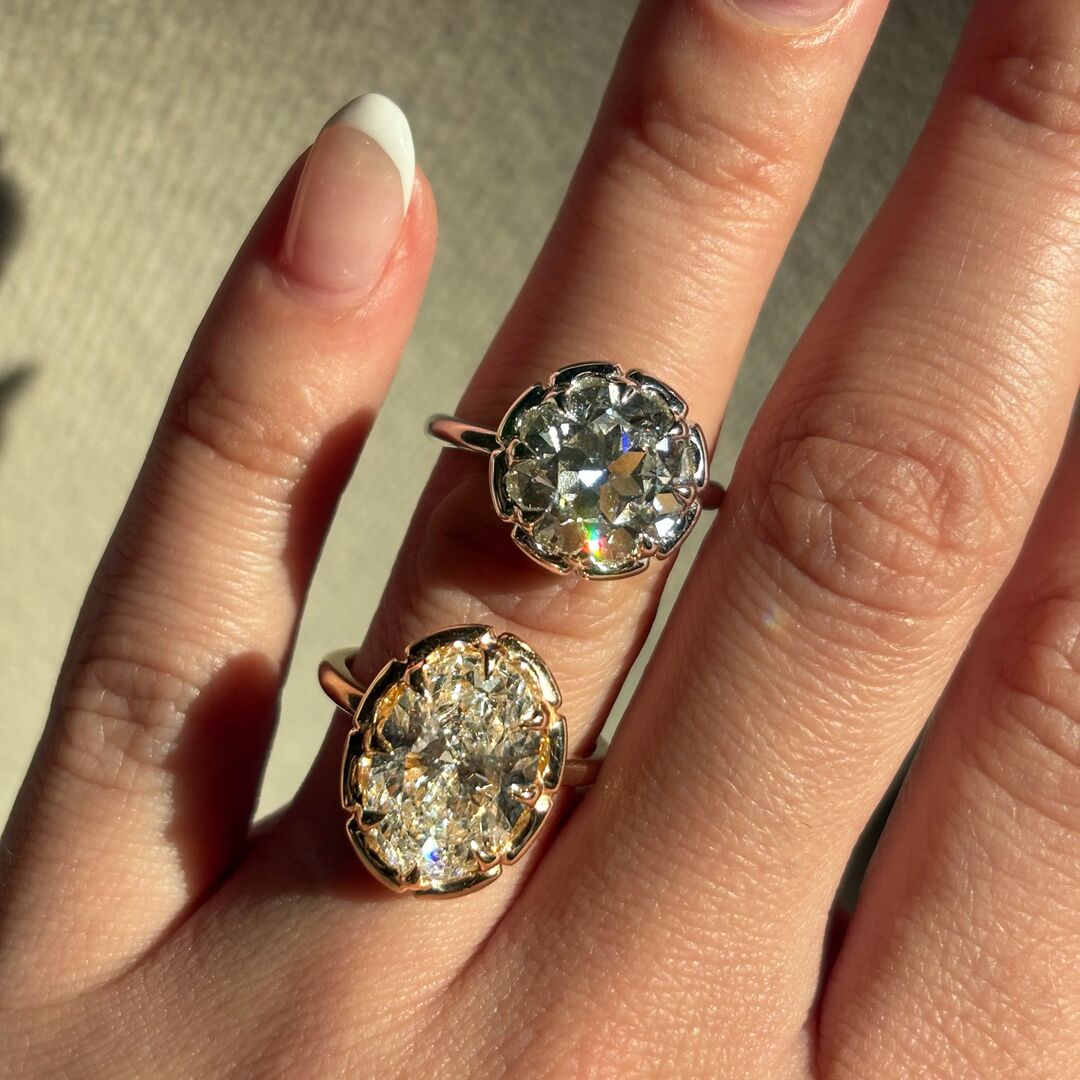
Shop The Juliette


5. Moissanite Has Little to No Resale Value
To be fair, this isn’t just a Moissanite problem. Most diamonds — natural ones included — lose 40 to 60 percent of their retail value the second you walk out of the store. The engagement ring market is not the stock market, and anyone who tells you a gemstone is a “safe investment” is selling you something other than good advice. But Moissanite takes this reality a step further.
Because Moissanite is lab grown, the supply is essentially unlimited. There’s no scarcity driving the price, no finite number of stones in circulation, and no universal grading standard like GIA or IGI that gives buyers confidence in what they’re purchasing secondhand. When you try to resell a Moissanite ring, most jewelers and pawn shops are pricing the metal — the gold or platinum in your setting — and valuing the stone itself somewhere between negligible and zero. That’s not us being dramatic. That’s just the secondary market reality for a stone that can be produced in a lab for a fraction of what you paid retail.
Where the Value of a Moissanite Ring Actually Lives
So if resale is off the table, does Moissanite have any financial upside? Kind of — you just have to look at it differently.
The value isn’t in what you’ll get back someday. It’s in what you didn’t have to spend in the first place. A comparable sized diamond — natural or lab grown — is going to cost you multiples more, and that diamond is also going to depreciate the moment you buy it. The difference is that Moissanite lets you start with less money on the line. If you spend $600 on a Moissanite ring and recover nothing, your total loss is $600. If you spend $5,000 on a diamond ring and recover $2,000, your total loss is $3,000. The percentage might look better on the diamond, but your wallet doesn’t think in percentages.
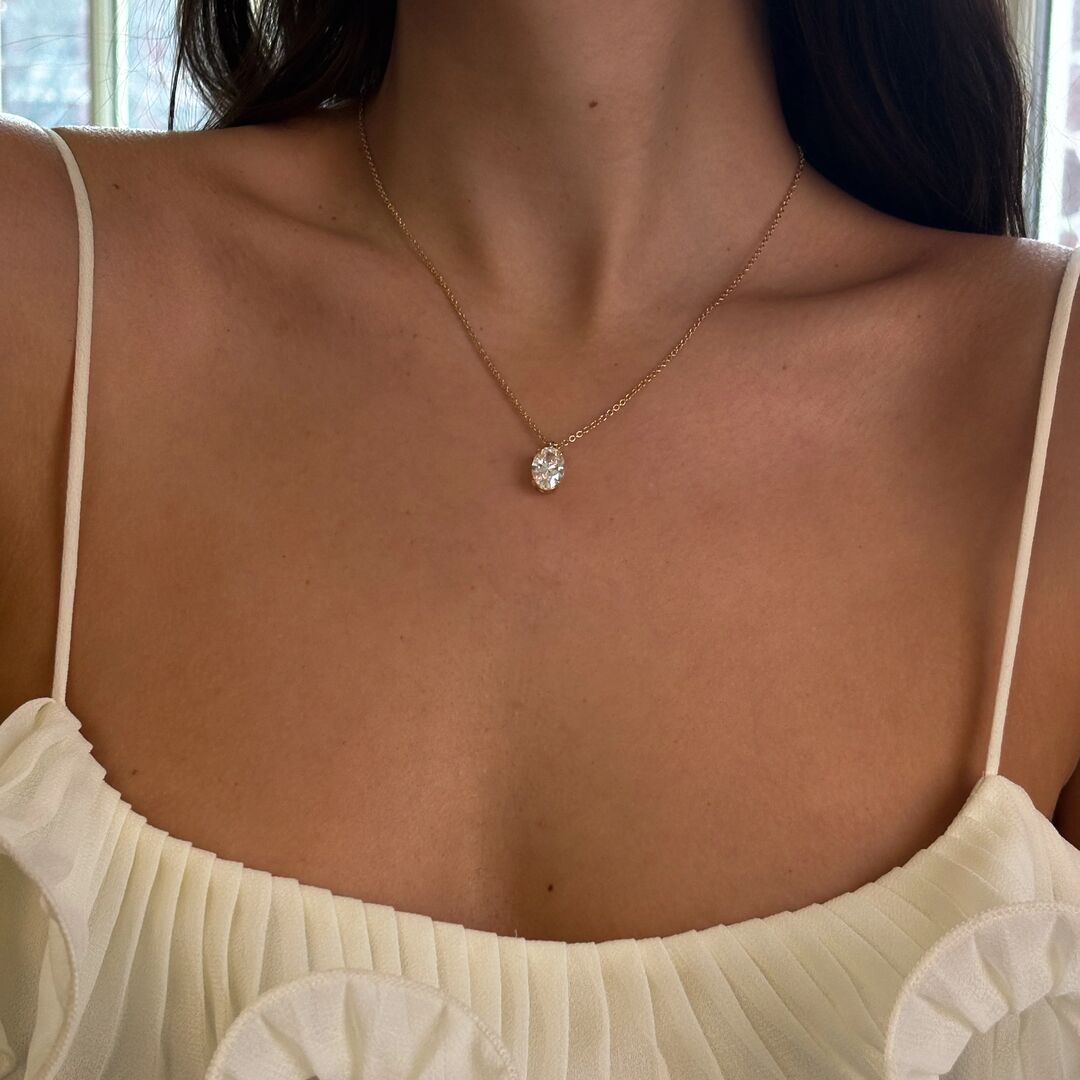
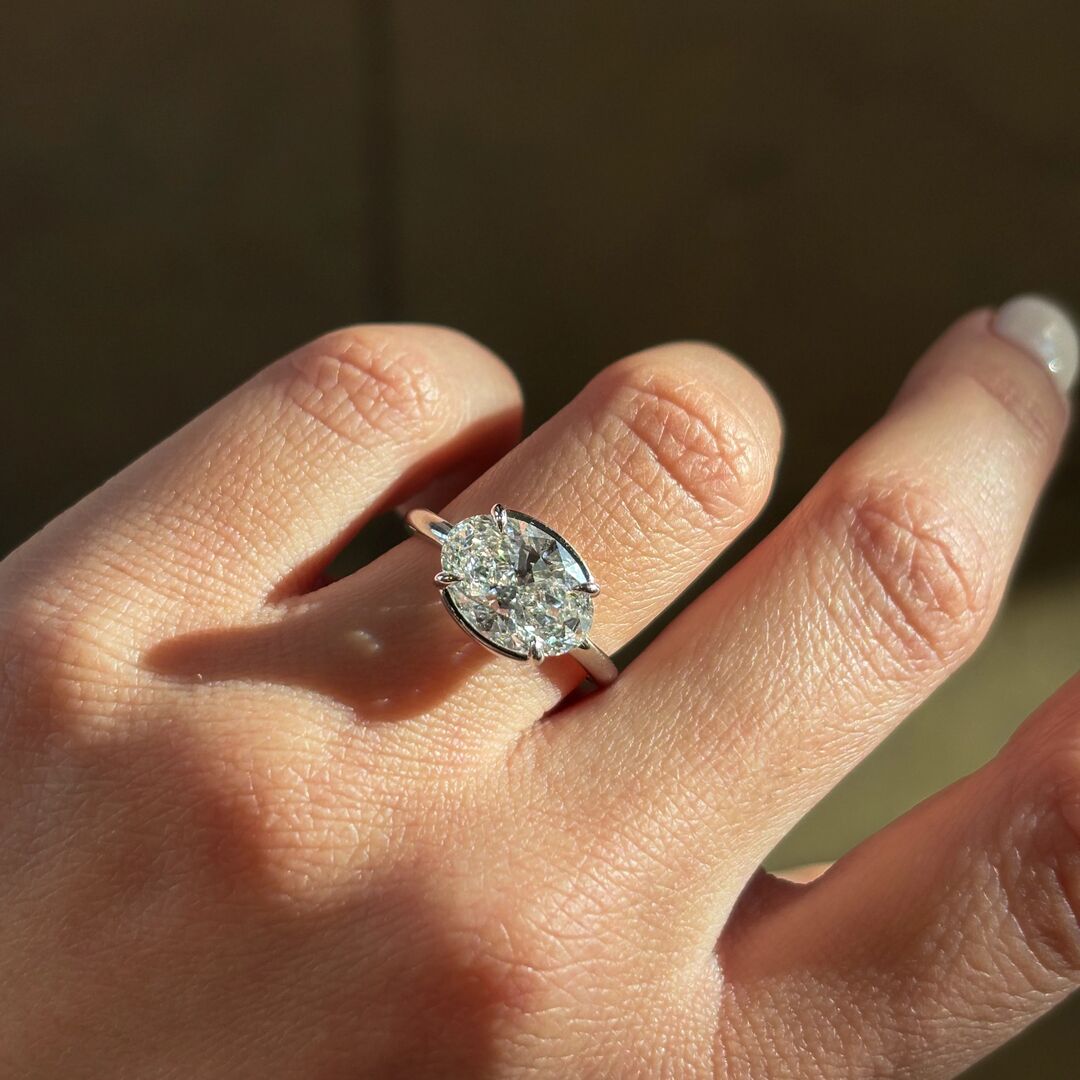
If Resale Value is a Must
That said, if holding long term value matters to you — and for a lot of people it genuinely does — it’s worth knowing this before you buy, not after. And if that’s the case, investing in the quality of your setting is where your money goes furthest. A well crafted gold or platinum band holds real, tangible precious metal value regardless of what stone sits in it.
6. Some Jewelers Won’t Work on Synthetic Stones
First off, we’re never going to leave you hanging with your Moissanite engagement ring, or wedding band when you purchase through us. Every Frank Darling ring comes with a lifetime warranty against manufacturing defects, plus a complimentary care plan that includes free polishing, prong tightening, steam cleaning, and re-dipping for white gold — for life. Moissanite or diamond, we take care of it the same way, because the craftsmanship of the setting matters just as much as the stone sitting in it.
Some jewelers are real purists. Just like any trade, jewelers work on what they know. Some shops won’t touch a Moissanite stone — not because there’s anything wrong with it, but because they don’t have experience working with silicon carbide and would rather not risk it. That can leave you in a tough spot if you need a prong retipped, a stone reset, or even a simple cleaning down the road and your jeweler turns you away.
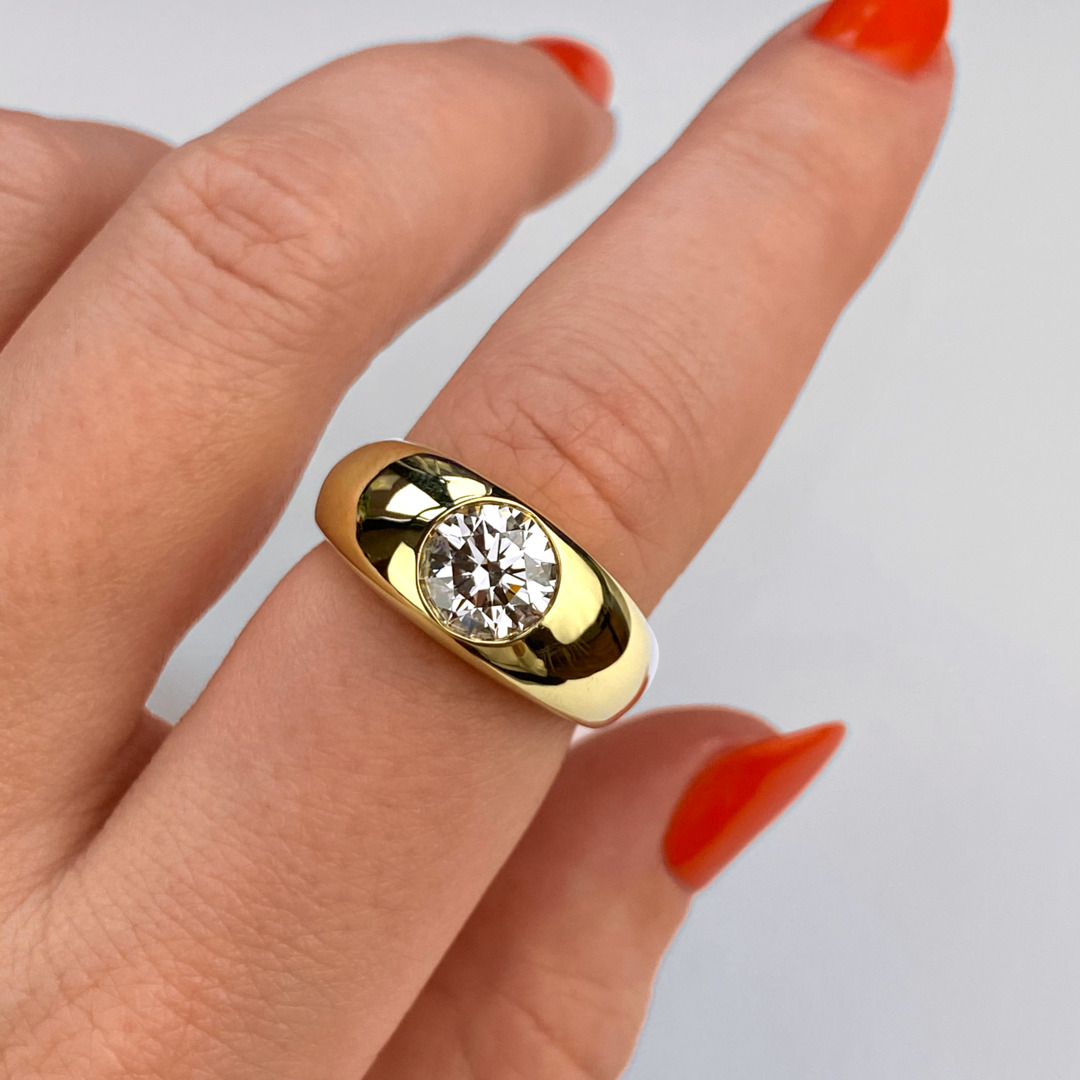
So…Is a Moissanite Engagement Ring Right For You?
Look, we sell Moissanite because we believe in it. If you want a stunning, durable stone with serious glimmer at a price that leaves room for the rest of your life together, it’s a fantastic choice — full stop. But if reading this post made you realize that what you actually want is a diamond, that’s worth listening to. A lab grown diamond gets you there at a price point that might surprise you, and a natural diamond gets you the heirloom factor on top of it. Either way, we’re here to help you figure it out.
Explore our Moissanite collection, take our ring quiz for a free custom sketch, or book an appointment at any of our showrooms. Whatever you choose, darling, we’ve got you.
FAQs: Moissanite Engagement Rings
Is Moissanite going to last?
Yes, Moissanite is at a 9.25 out of 10 on the Mohs Hardness Scale. Diamonds and moissanite are not impervious to chipping under certain conditions so you’re never going to really have a “fail safe” stone. But it’s definitely durable.
The .75 difference is pretty negligible compared to any other precious stone. Sapphires and ruby’s rank at 9, emeralds are 7.5-8, and pearls are 2.5, all of those fair pretty well to the test of time. Your Moissanite engagement ring is going to be able to get passed down and will live on for generations for sure.
Is Moissanite good for an engagement ring?
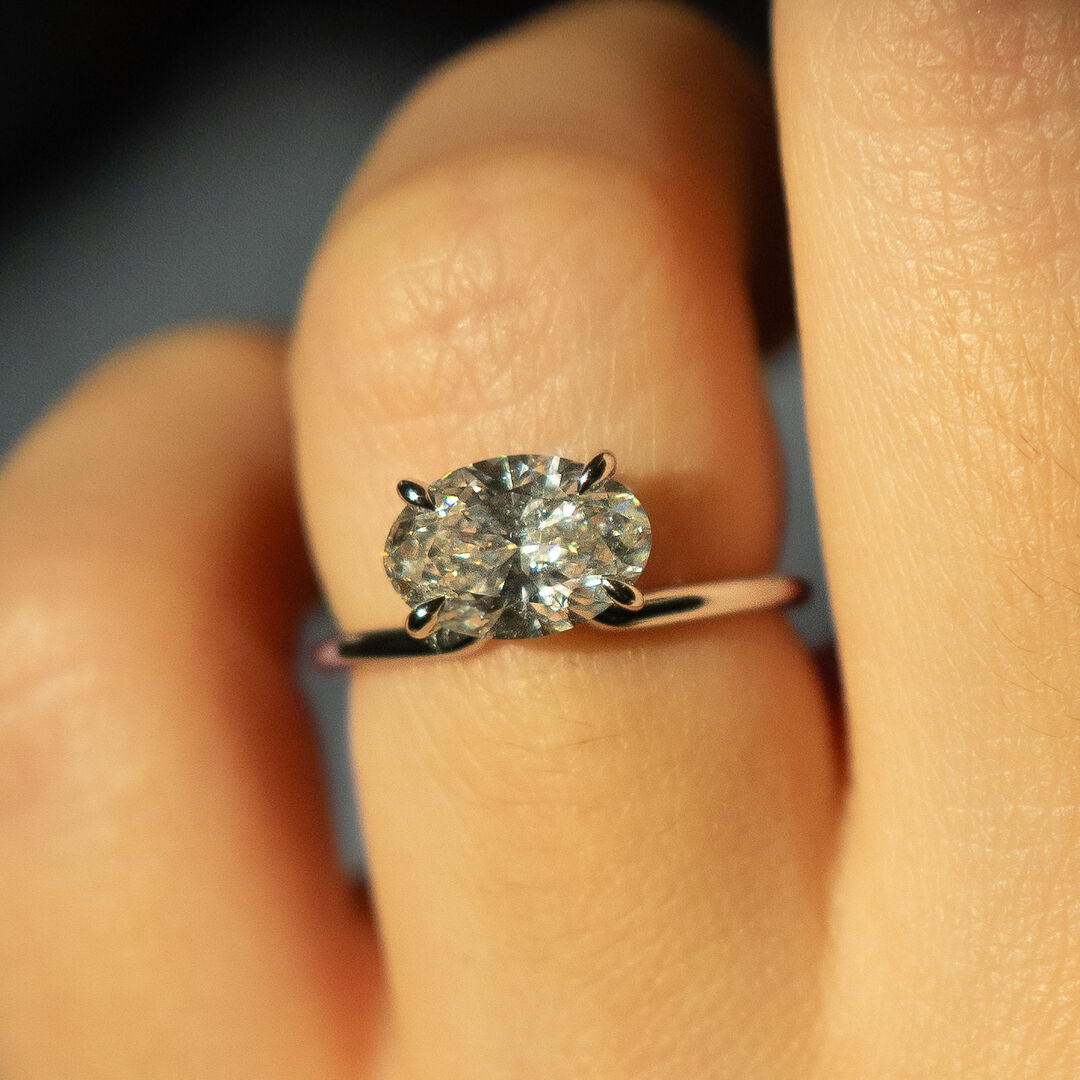
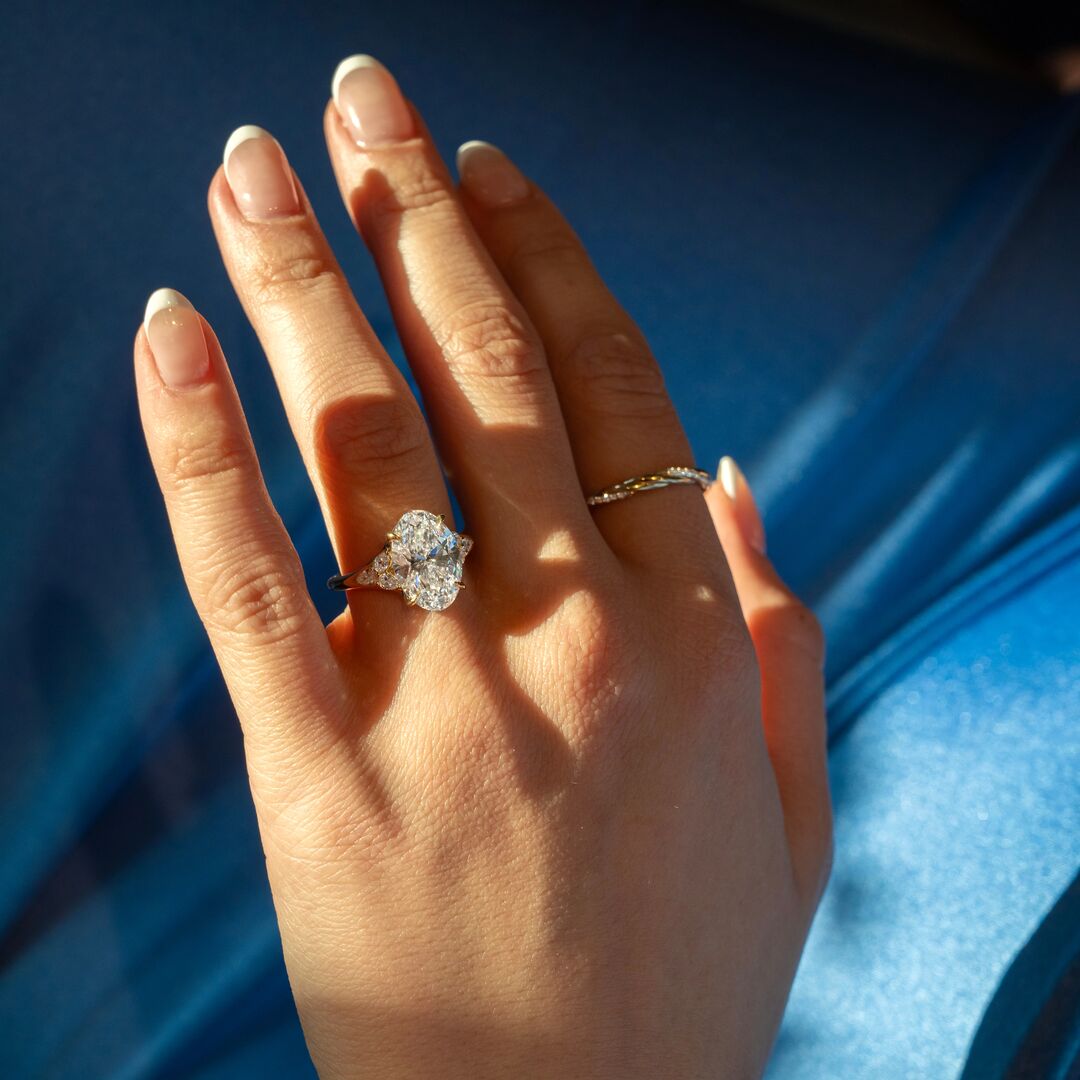
Yes — with some caveats. Moissanite is a genuinely beautiful gemstone that ranks 9.25 on the Mohs scale of hardness, making it durable enough for everyday wear. It’s lab grown, conflict free, and costs a fraction of what you’d pay for a comparable sized diamond. For couples who want a striking ring without the financial strain, it’s a smart option.
That said, Moissanite isn’t a diamond. It has more fire and rainbow sparkle, which some people love and others find too intense. It also carries little to no resale value, and there’s no universal grading standard the way GIA or IGI certifies diamonds. If those things matter to you, a lab grown diamond might be a better fit — you get real diamond properties at a more accessible price. If you love Moissanite for what it is, not as a stand-in for something else, you’ll love your ring.
Is Moissanite a real diamond?
No. Moissanite is a completely different gemstone. Diamonds — both natural and lab grown — are composed of carbon. Moissanite is composed of silicon carbide, a distinct material with its own crystal structure, optical properties, and hardness rating.
It was first discovered in a meteor crater in 1893, but virtually all Moissanite sold today is lab grown. It’s often called a “diamond simulant” because it’s designed to resemble a diamond visually, and to the untrained eye it does a convincing job. But structurally and chemically, they’re not the same stone. This also means Moissanite doesn’t carry the same certifications — there’s no GIA grading report for a Moissanite the way there is for a natural or lab grown diamond. It’s a beautiful stone in its own right, just not a diamond.
Can you tell the difference between Moissanite and diamond?
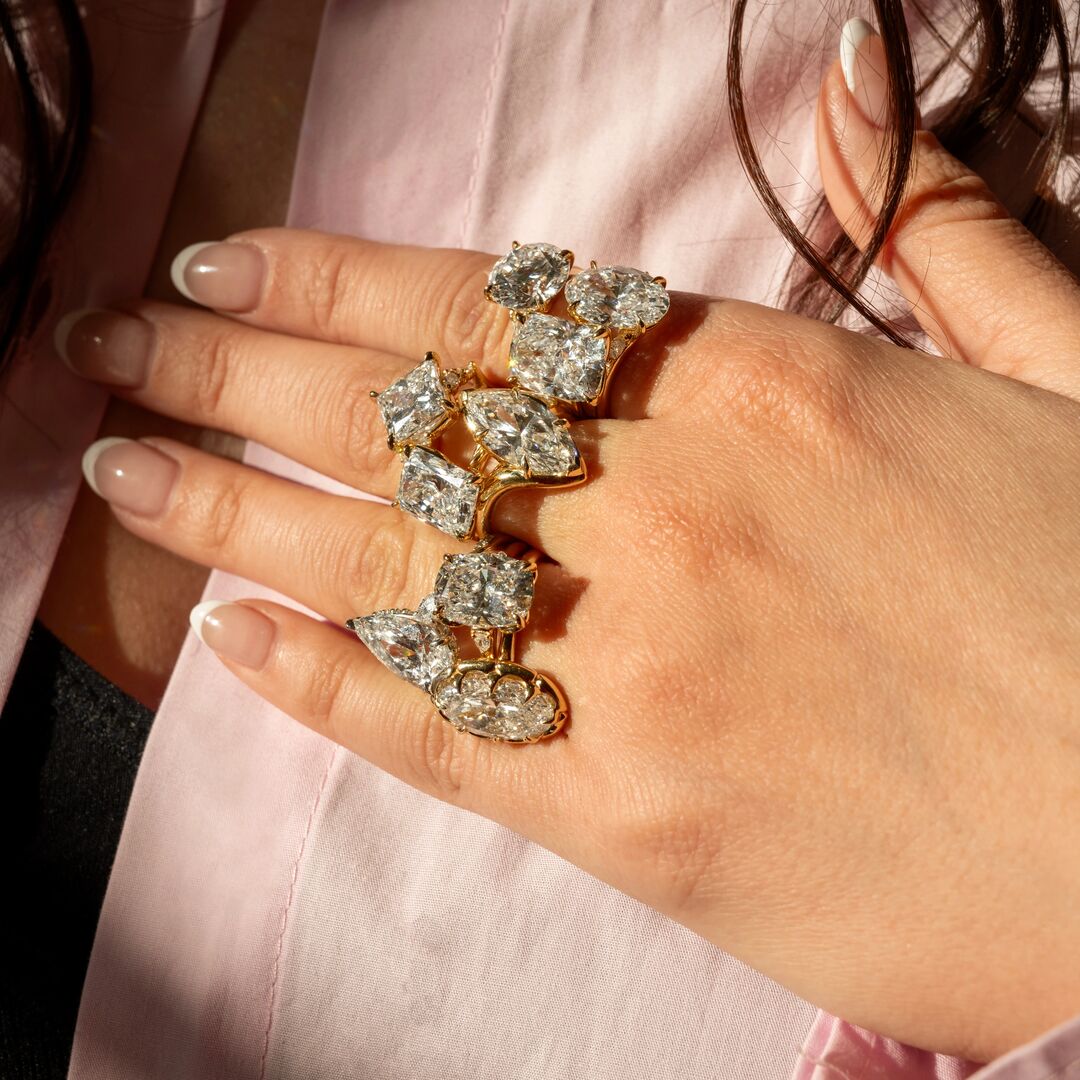
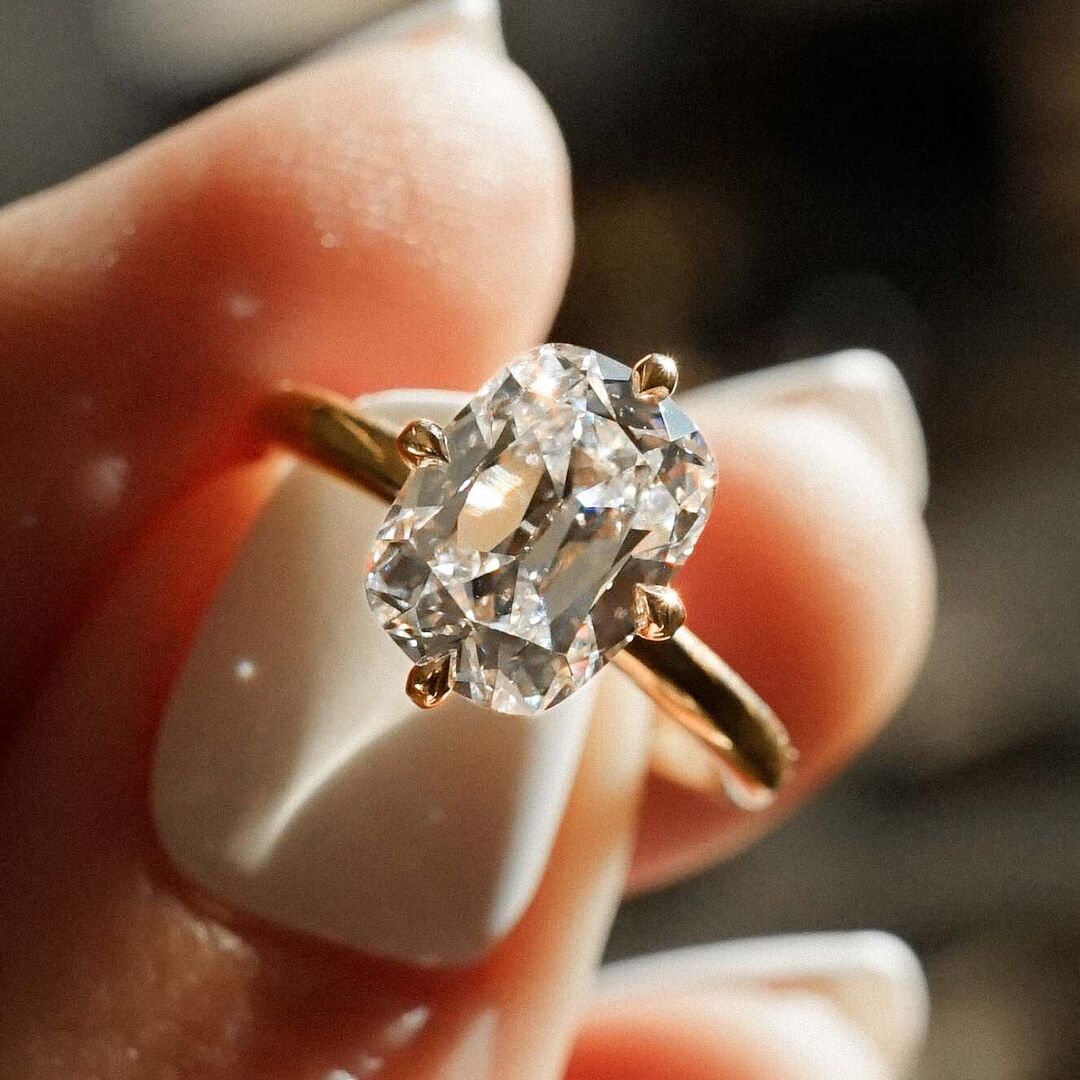
In most cases, yes — if you know what to look for. The biggest giveaway is the sparkle. Moissanite has a refractive index of 2.65 compared to diamond’s 2.42, and more than double the fire dispersion. In practice, that means Moissanite throws off intense rainbow flashes in direct light, while diamond produces a more balanced mix of white and colored light. This “disco ball” effect becomes more pronounced in larger stones and brilliant cut shapes. Step cuts like emerald and Asscher minimize it significantly.
Moissanite is also doubly refractive — if you look through the side of the stone toward the bottom point, the facets will appear doubled, which doesn’t happen in diamond. A standard handheld diamond tester won’t help either, since Moissanite’s thermal conductivity is close enough to diamond’s that it often passes. Most people on the street won’t notice, but a jeweler or anyone who works with diamonds regularly will spot the difference fairly quickly.

Stephanie is a jewelry lover, gemologist, and seasoned copywriter with a decade of experience in e-commerce and tech. A RISD graduate, Stephanie also studied at GIA and has worked in the jewelry industry for 20 years. When not writing about diamonds and jewelry, Stephanie is also a photographer and backyard flower farmer. She lives in Tacoma, WA with her two black cats.